We have all experienced it. You swap sugar for something else. Same coffee, same recipe… but something's not quite right.
It's sweet, technically. But the flavour feels disconnected. Or lingers too long. Or doesn't quite land.
And suddenly you're thinking: Why does this taste so different?
The answer isn't just "some are better than others." It actually comes down to how sweetness is experienced, not just how strong it is.
Sweetness Isn't Just About Sweetness
When we think about sugar, we think "sweet."
But sugar does more than that. It delivers sweetness in a very specific way:
-
It builds gradually on the tongue
-
It peaks at a moderate intensity
-
It fades cleanly without lingering
That shape of sweetness is what we're used to, even if we've never thought about it before.
So when a sugar alternative behaves differently, your brain notices immediately.
The Real Reason Some Sweeteners Taste 'Off'
It usually comes down to three key differences in how sweetness is delivered.
1. Timing: When the Sweetness Hits
Not all sweeteners activate your taste buds at the same speed. Some hit quickly and intensely. Others build more slowly.
When the timing feels out of step with the rest of your food, the sweetness can seem disconnected, present, but not quite right.
That's why something can taste sweet, but still feel "wrong."
2. Duration: How Long It Stays Around
This is where most people notice the biggest difference.
Sugar fades relatively quickly. But plenty of alternatives have a longer finish, a sweetness that lingers past the bite or sip, sitting on the back of the tongue and competing with other flavours rather than blending with them.
Natural sweeteners like stevia and monk fruit are well known for this. Both come from plant sources, but their intensely sweet compounds tend to build slowly and then hang around, which is why people often describe a lingering, almost syrupy aftertaste long after the sweetness itself should have faded.
Artificial sweeteners like aspartame can behave in a similar way. They're sweet, often far sweeter than sugar by weight, but that sweetness doesn't always fade on the same timeline as sugar's does, which is part of why they can taste synthetic even when the flavour itself is technically "sweet enough."
It's not always unpleasant. Just unfamiliar.
3. Interaction: How It Blends with Other Ingredients
Sugar integrates easily into recipes. It doesn't dominate, it supports.
Some alternatives sit "on top" of flavours instead of weaving through them. That can subtly shift how chocolate, fruit, or dairy tastes, making a recipe feel slightly unbalanced even when nothing else has changed.
This is why the same brownie recipe can taste completely different depending on the sweetener used.
Why This Matters More in Real Life Than on Paper
On paper, many sweeteners look similar, low in calories, functional in recipes, sufficiently sweet.
But in real life? Taste is what decides whether you use something again.
Because the real question isn't just "Is it sweet enough?"
It's:
-
Does it work in my coffee every morning?
-
Does this recipe still taste like itself?
-
Do I notice the sweetener, or not notice it?
Where Allulose Feels Different
Allulose stands out because it behaves much closer to sugar across all three areas:
Timing: It builds more gradually, rather than hitting all at once.
Duration: Unlike stevia and monk fruit, it doesn't leave a strong, lingering sweetness after the sip or bite, it fades in a timeframe much closer to sugar itself.
Interaction: It blends into recipes instead of sitting on top of them.
Because of that, the overall experience feels more familiar, not identical to sugar, but aligned with it.
And that's what most people are actually looking for.
The Real Goal Isn't "Healthier" - It's "Works Better"
When people try different sugar alternatives, they're not just comparing ingredients.
They're asking: Does this fit into my everyday food without changing everything?
If the answer is no, they go back to sugar.
If the answer is yes, it becomes part of their routine.
The Sweet Takeaway
If a sugar alternative has ever tasted "off," it's not random. It comes down to:
-
When the sweetness hits
-
How long it lasts
-
How well it blends with everything else
Once you understand that, it's easier to see why some options feel effortless — and others, whether that's a natural sweetener like stevia or monk fruit, or an artificial one like aspartame, don't quite stick.
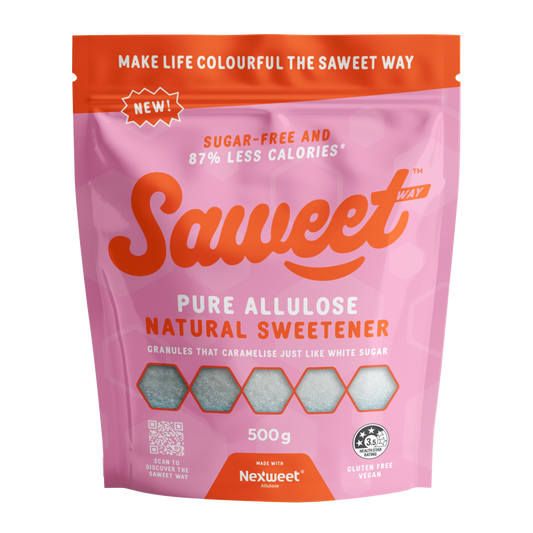
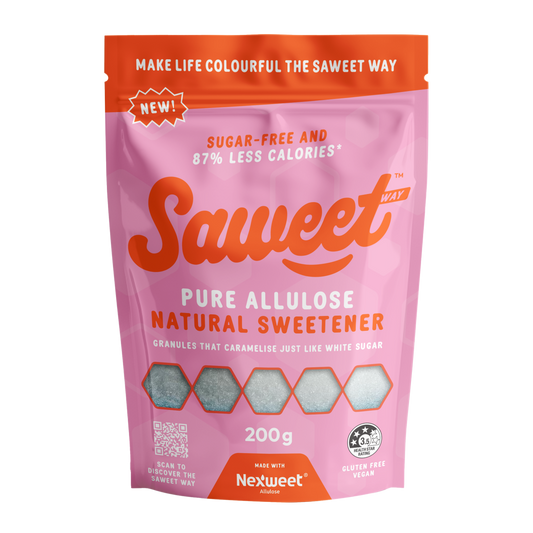
Explore the Saweet range and experience a sugar alternative that works with your recipes, not against them.
Because the best kind of sweetness? Is the one you don't have to think about.

Frequently Asked Questions
Why do sugar substitutes have an aftertaste?
Some sugar substitutes have an aftertaste because they activate bitter taste receptors alongside sweet ones, or linger on the tongue longer than sugar does. High-intensity artificial sweeteners like aspartame and saccharin are the most common culprits. Rare sugars like allulose tend to taste cleaner, closer to sugar itself.
Which sweetener tastes most like sugar?
Allulose is widely considered one of the closest sweeteners to sugar in taste and behaviour. It has no bitter aftertaste, dissolves and browns like sugar, and carries a clean, familiar sweetness, making it a popular choice for coffee, baking and everyday cooking.
Why are some sweeteners blended together?
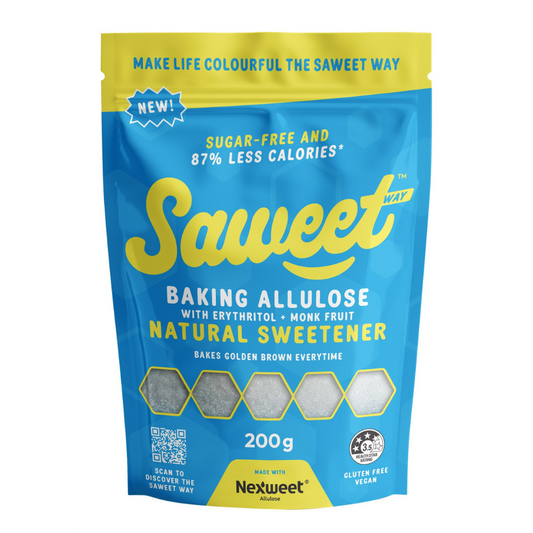
Sweeteners are often blended because each one brings something different: sweetness, bulk, browning or mouthfeel. Combining them, like allulose with erythritol and monk fruit, balances the overall flavour so it tastes rounded and close to sugar, rather than leaning on any single note.
Does allulose taste like sugar?
Allulose tastes very close to sugar, with a clean, smooth sweetness and no lingering aftertaste. It's around 70% as sweet as sugar, so you'll use a little more (about 1.25 cups of allulose to replace 1 cup of sugar), but the flavour profile is familiar rather than artificial.
Is allulose good for baking?
Yes, allulose is a great choice for baking because it browns and caramelises like sugar and keeps baked goods soft and moist. It's also lovely blended with other sweeteners like erythritol and monk fruit, which is exactly how SaweetWay's Baking Allulose is made.