If you’ve ever wondered why some sweet foods feel different after you eat them, you’re not alone.
More people are starting to look beyond sweetness alone and are becoming curious about glycaemic response, essentially how the body responds after consuming different types of carbohydrates, including sugar.
This curiosity is one of the reasons allulose has become a popular topic when talking about natural sugar alternatives.
So how is allulose different from sugar? And why is it often discussed in relation to glycaemic response?
Let’s unpack it, simply and without the science lecture.
What Is Glycaemic Response?
Glycaemic response describes how the body processes carbohydrates after they’re consumed.
Different foods, even foods that taste equally sweet, can be absorbed and used differently by the body. This is why glycaemic response has become a common point of discussion when comparing sugar and sugar alternatives.
It’s not about labelling foods as good or bad. It’s about understanding that not all sweeteners behave the same way once eaten.
How Regular Sugar Is Processed
Regular table sugar (sucrose) is made up of glucose and fructose.
Once consumed, it’s broken down and absorbed, contributing energy that the body can use or store. Because of this, sugar is often used as a reference point in studies that examine post-consumption glucose levels and glycaemic response.
Sugar does what sugar does, and that’s exactly why it’s used as the comparison standard.
How Allulose Is Different from Sugar
Allulose is a naturally occurring rare sugar, found in small amounts in foods like figs, raisins, and maple syrup.
Because it is chemically similar to sugar, it tastes clean and familiar, without the strong aftertaste associated with some sweeteners.
What makes allulose different is how it contributes energy.
Human research has observed that allulose provides very little available energy and is largely excreted rather than fully metabolised like sugar.
Because of this, allulose is often described in research as having a minimal glycaemic response compared to sugar.
What Research Has Observed About Allulose and Glycaemic Response
Several human studies have explored allulose vs sugar, particularly looking at post-consumption glucose responses.
These studies help researchers understand:
- How different sugars are absorbed
- How much energy they contribute
- How they compare to traditional sugar in controlled settings
Importantly, this research does not make claims about health benefits. It simply maps how allulose is processed differently from sugar.
Why This Matters to People Choosing a Natural Sugar Alternative
You don’t need to read research papers to notice patterns in how food feels day-to-day.
Many people are:
- Reducing refined sugar where they can
- Looking for natural sugar replacements that still taste like sugar
- Choosing ingredients that feel more intentional in everyday cooking
This is where allulose fits naturally.
As a natural sugar substitute, allulose offers:
- A familiar sweetness
- No strong aftertaste
- Excellent performance in cooking and baking
- Browning and caramelising like sugar
Using Allulose as a Sugar Alternative at Home
From a practical perspective, allulose behaves much more like sugar than many other sugar alternatives.
It:
- Dissolves easily in drinks
- Works well in baking, sauces, and desserts
- Allows for simple sugar swaps without changing recipes
For people cutting back on refined sugar, this makes allulose an appealing and flexible option.
The Bigger Picture
Choosing a sugar alternative isn’t about perfection or restriction.
It’s about understanding that different sweeteners create different glycaemic responses, and selecting the option that works best for your cooking style and preferences.
Allulose doesn’t remove sweetness, it simply offers a different way to achieve it.
The Sweet Takeaway
Allulose is a natural sugar replacement that tastes like sugar but is processed differently by the body.
It’s being studied, compared, and increasingly used by people who want:
- Familiar sweetness
- Functional performance
- A simple alternative to refined sugar
Same recipes. Same enjoyment. Just a different choice at the sweetener step.
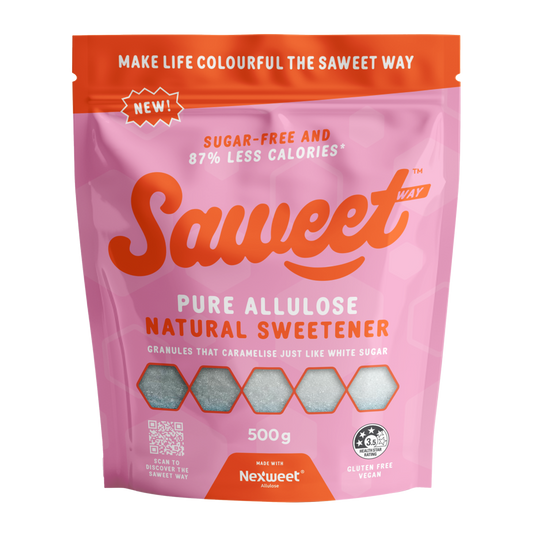
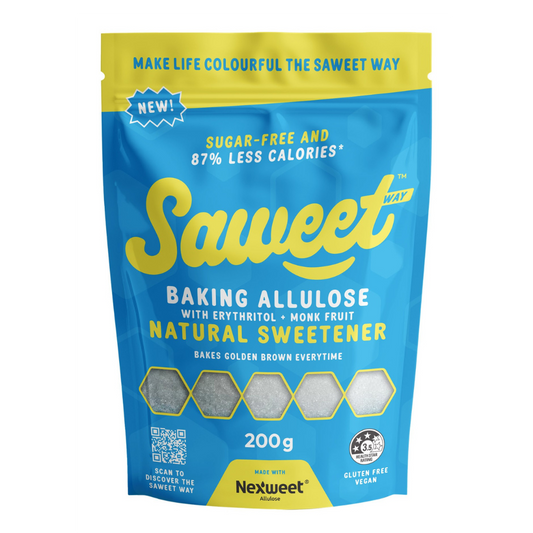
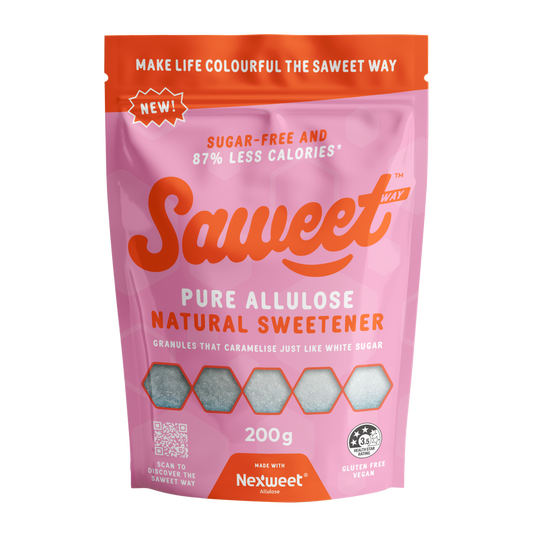
Explore the SaweetWay range here and see how allulose works in everyday cooking and baking.
Sweetness, with a little more intention ✨
References
- Iida et al., BMJ Open Diabetes Research & Care (2021): Controlled human studies examining glycaemic response to allulose compared with sugar